


Swords
Five of Swords
The Five of Swords weighs defeat, damaged trust, and the cost of prevailing in conflict.
- conflict
- defeat
- costly victory
- estrangement
Read the card in its own right, then follow its meaning through the spread.
Two orientations
The card’s meaning
This Five shows what happens when thought and words are used to contest, divide, or prevail, keeping the apparent outcome of a conflict separate from its value.
Upright
The Five of Swords weighs defeat, damaged trust, and the cost of prevailing in conflict.
The Five of Swords concerns conflict that leaves something damaged, whether a point has been won or a position lost. An argument can make someone give way while damaging trust, and leaving a contest can be wiser than continuing it. The figure holding the swords does not tell us which part belongs to the reader. The card asks what has happened to dignity, fairness, and connection, without assuming equal fault or making every disagreement a reason to surrender.
- conflict
- defeat
- costly victory
- estrangement
Reversed
The Five of Swords reversed turns toward the unfinished aftermath of conflict and possible repair.
The Five of Swords reversed concerns what remains after the wish to keep fighting has diminished. Regret, resentment, or an unsettled grievance may persist even when the argument has stopped. There may be room for an apology, a changed approach, or an agreement to leave the matter alone. Repair depends on what people actually do and are willing to accept. Ending participation can also matter; peace does not require renewed closeness or equal shares of blame.
- aftermath
- amends
- lingering resentment
- disengagement
How the reversal changes the emphasis
The passage beyond a damaging conflict is unfinished; reconciliation, changed behavior, or continued distance may be relevant without guaranteeing that everyone will agree.
The question changes the emphasis
Reading this card in context
Each spread gives its cards different roles. The examples below explore this card as an influence, a situation or challenge, and advice or support. Begin with the question your position asks, wherever it falls in the spread.
As an influence
Upright
A harsh exchange, unequal contest, or earlier dispute that left trust damaged may have influenced how the present question is being approached.
Reversed
An attempt to end a dispute, regret about an exchange, or effects that continued after the argument stopped may have shaped the present situation.
As a situation or challenge
Upright
Consider what the effort to prevail is costing and whether the people involved can disagree without humiliation, pressure, or further damage.
Reversed
Distinguish a wish for the disagreement to be over from evidence that its causes or effects have been addressed.
As advice or support
Upright
Decide which point still needs defending, look for a response that reduces further harm, and consider distance or support where continued engagement offers little protection.
Reversed
Offer a specific repair where it is yours to make, consider whether changed behavior supports renewed contact, or maintain distance when that is needed.
Read through a particular life focus
Open reading
Look beyond who appears to have won and consider what an exchange has cost, what remains contested, and whether engagement still serves a worthwhile purpose.
Love & relationships
Where a connection has become a contest, consider whether an important need can be defended without further hurt and whether distance or repair is actually welcome.
Work & direction
In a dispute over ideas, credit, or direction, examine how a result was reached and what it leaves possible for future cooperation.
Home & family
A disagreement around home or family may call for attention to dignity, unequal influence, and the right to step away rather than pressure everyone into apparent harmony.
Self-growth
Consider how being right relates to what matters in an exchange, while keeping self-protection distinct from a wish to defeat someone.
Look a little closer
The imagery
Three swords held
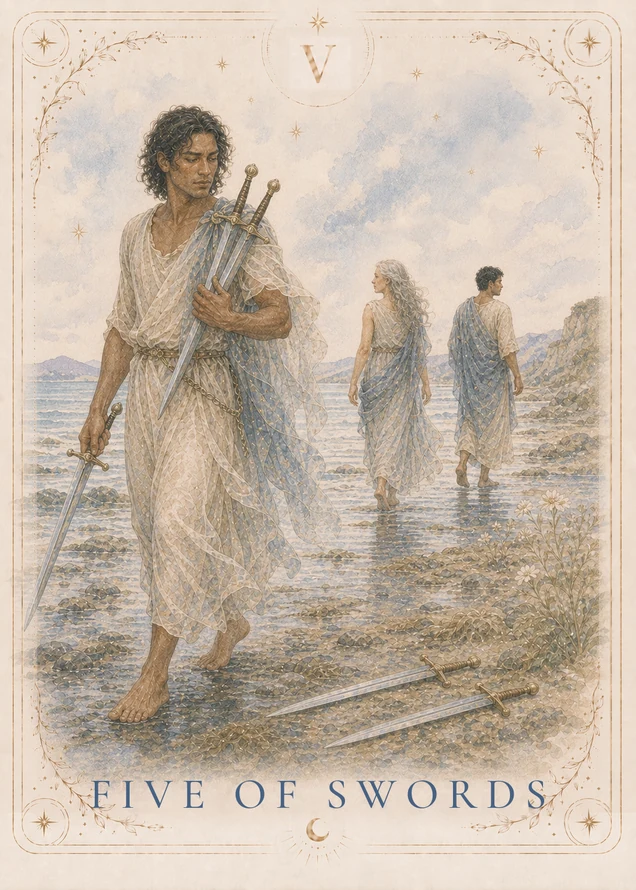
The foreground figure holds two swords against the shoulder and a third with its point angled toward the ground.
Possession of the weapons supports the question of what prevailing has secured and what it has cost, without assigning this figure’s role to the reader.
Two retreating figures
Two figures move away along the water’s edge, one looking to the side and the other turned farther away.
Their separation makes leaving a conflict visible; the image alone does not establish what either person feels or why they leave.
Two swords on the ground
Two blades lie apart from the foreground figure on the stony shore.
Something has been relinquished after the encounter, leaving the outcome and its losses to be considered together.
Similarities & differences
Related cards
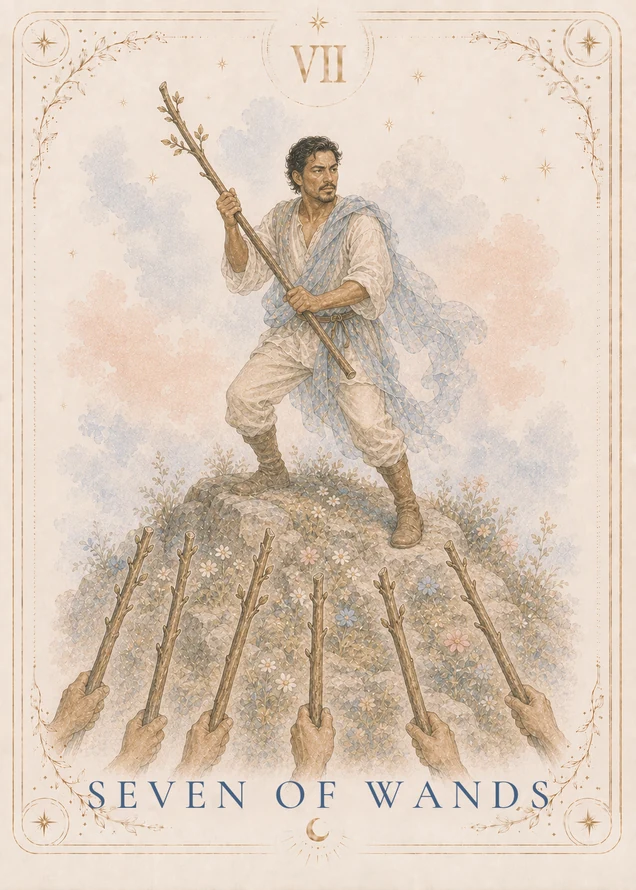
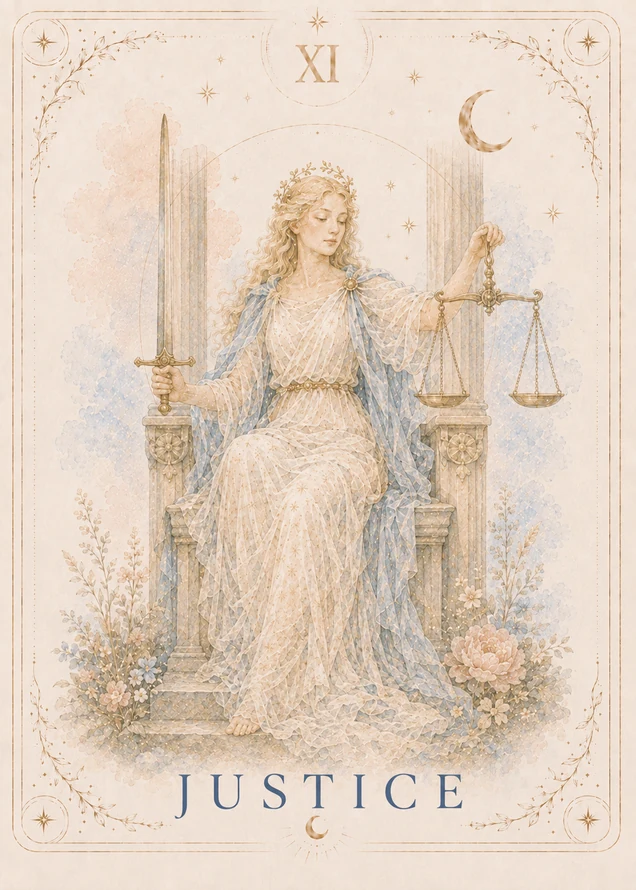
Tradition & Lunaire’s interpretation
The traditional foundation
Waite describes a figure in possession of the field as two others retreat. His main upright list includes degradation, destruction, revocation, dishonor, and loss. Reversed, he repeats those meanings and adds burial and funeral rites. The additional upright entry concerns an attack on the querent’s fortune; its reversed entry names sorrow and mourning.
Lunaire’s reading
Lunaire retains defeat and the cost of prevailing rather than softening the card into ordinary disagreement. Its reversal follows the contemporary aftermath and amends interpretation found in Biddy Tarot, with unfinished resentment still possible, rather than reproducing Waite’s funerary prediction. The image establishes different positions after an encounter, not the reader’s guilt, someone else’s motive, or an obligation to reconcile.
Read the source in The Pictorial Key to the Tarot ↗
Waite: additional meanings for Five of Swords (Part III §4) ↗
Arthur Edward Waite. The Pictorial Key to the Tarot. W. Rider; [1911]. Illustrations by Pamela Colman Smith. Source edition details ↗