
Major Arcana
The Chariot
The Chariot gathers competing forces into one direction and gives determination a course.
- direction
- determination
- self-command
- momentum
Read the card in its own right, then follow its meaning through the spread.
Two orientations
The card’s meaning
The Chariot concerns maintaining a chosen direction through competing demands. It gives agency the sustained coordination needed for movement, without making speed or command proof of success.
Upright
The Chariot gathers competing forces into one direction and gives determination a course.
The Chariot concerns determination, direction and the coordination of competing demands. A chosen aim gives effort a course, while discipline helps sustain it as circumstances change. The two sphinxes remain distinct; effective movement depends on bringing their pulls into a working relationship. This is purposeful self-command rather than control for its own sake. Momentum can support progress, but it does not establish that the destination is right or that success is assured.
- direction
- determination
- self-command
- momentum
Reversed
The Chariot reversed loses coordination when direction scatters, stalls, or tightens into excess control.
The Chariot reversed describes effort that has lost a coherent direction. Incompatible aims may divide attention, resistance may stall movement, or control may tighten after the purpose of a course has become unclear. Determination may still be present without a clear way to bring these competing demands together. Reconsidering priorities can show what effort should serve and what requires a different approach; more force or speed alone does not resolve the conflict.
- conflicting aims
- stalled momentum
- overcontrol
- lost direction
How the reversal changes the emphasis
This reversal concerns a loss of direction or coordination, including control that no longer serves the aim. It is not a verdict of defeat.
The question changes the emphasis
Reading this card in context
Each spread gives its cards different roles. The examples below explore this card as an influence, a situation or challenge, and advice or support. Begin with the question your position asks, wherever it falls in the spread.
As an influence
Upright
A decisive push, a chosen destination, or the effort to keep competing demands moving together may have brought the question here.
Reversed
Competing aims, sustained resistance or a course whose purpose changed may have brought the question here.
As a situation or challenge
Upright
Consider the aim of the effort and how its different demands fit together, including whether more speed would help.
Reversed
Consider where effort may be divided, and whether greater control would help coordination or make it harder.
As advice or support
Upright
Name the destination, then choose a next action that gives competing demands a clear order.
Reversed
Clarify which aim still matters, then consider what can be reprioritized so effort can follow a coherent course.
Read through a particular life focus
Open reading
Consider which aim gives the effort direction and how competing demands could be coordinated around it.
Love & relationships
Shared effort can be examined for agreement about direction without assuming that one person should control the other’s response.
Work & direction
A project may benefit from clear priorities and sustained coordination, including attention to demands that cannot all advance at once.
Home & family
Consider how different needs could share a direction without assuming a particular household or requiring every preference to match.
Self-growth
Explore what discipline would serve a chosen aim and where greater control might make the effort less responsive.
Look a little closer
The imagery
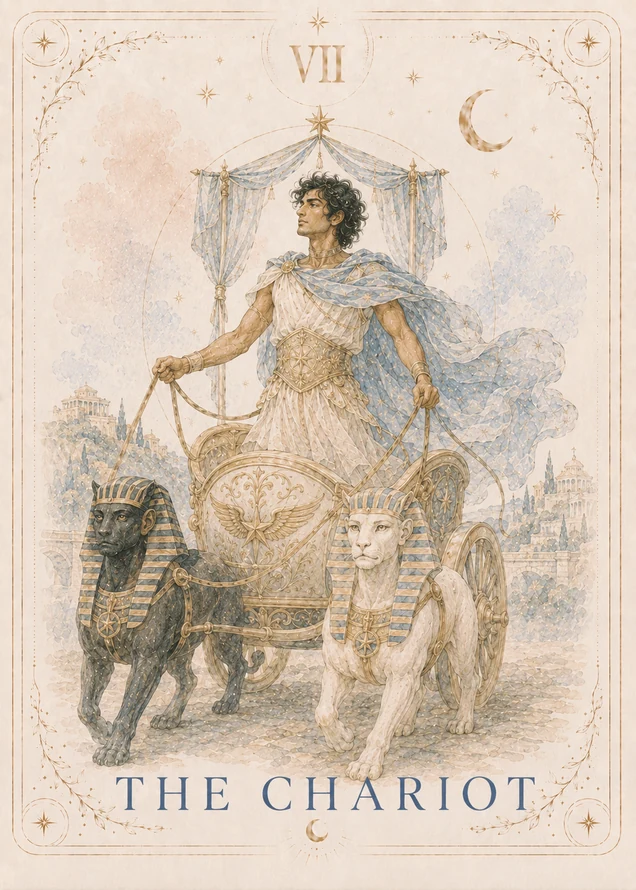
Black and white sphinxes
One dark sphinx and one pale sphinx stand side by side before the chariot.
Different pulls do not need to become identical, but they must be coordinated well enough to share a direction.
Reins held in both hands
The standing figure holds a separate rein in each hand, with both lines leading forward.
Movement depends on sustained direction rather than desire alone; each pull remains part of the work.
Starry canopy
A blue canopy patterned with stars rises above the chariot.
A chosen course needs meaning beyond momentum, or motion can continue after its purpose has blurred.
Similarities & differences
Related cards
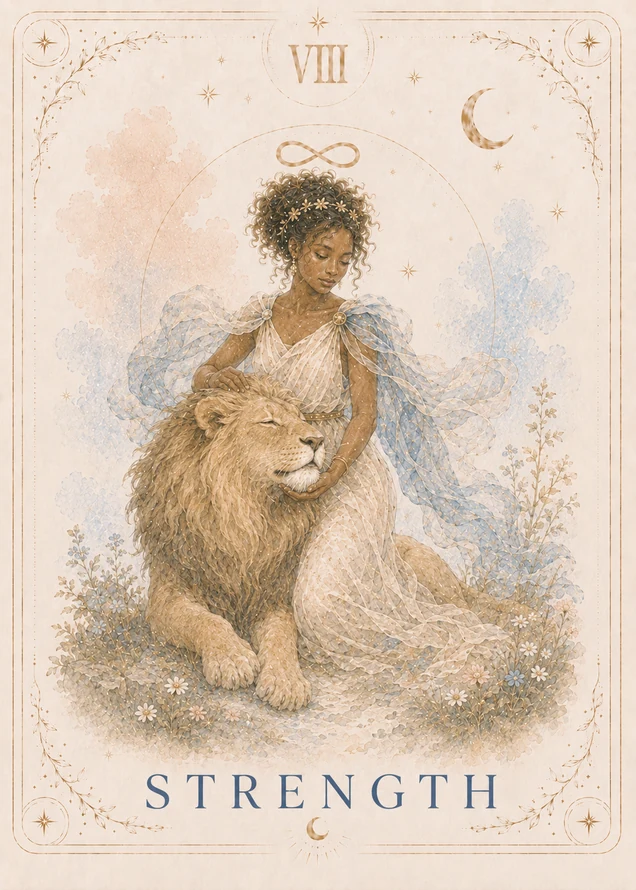
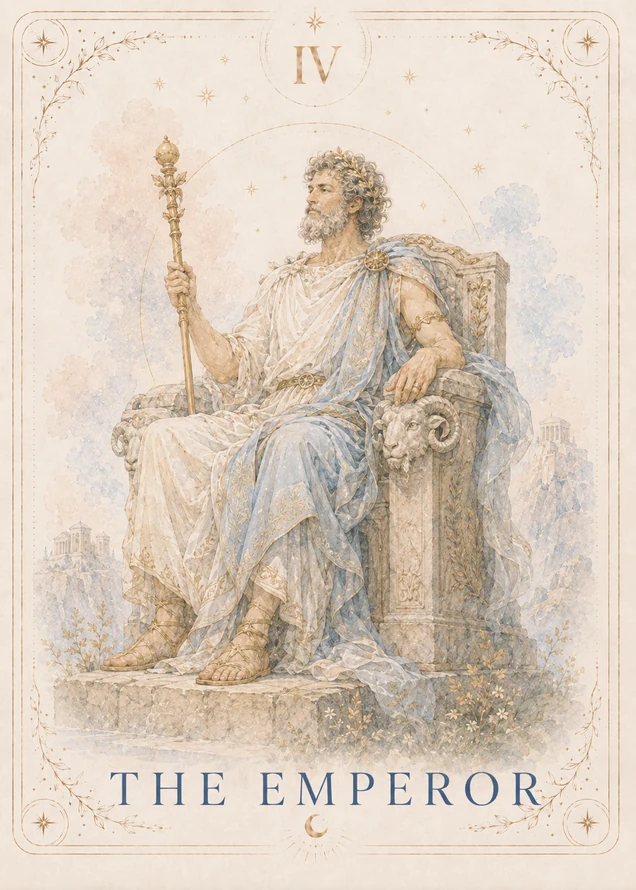
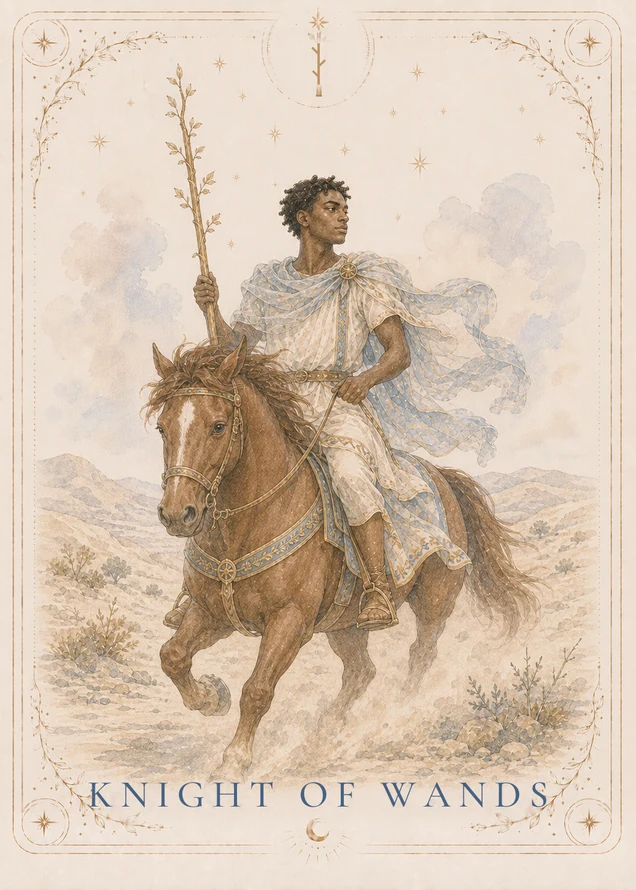
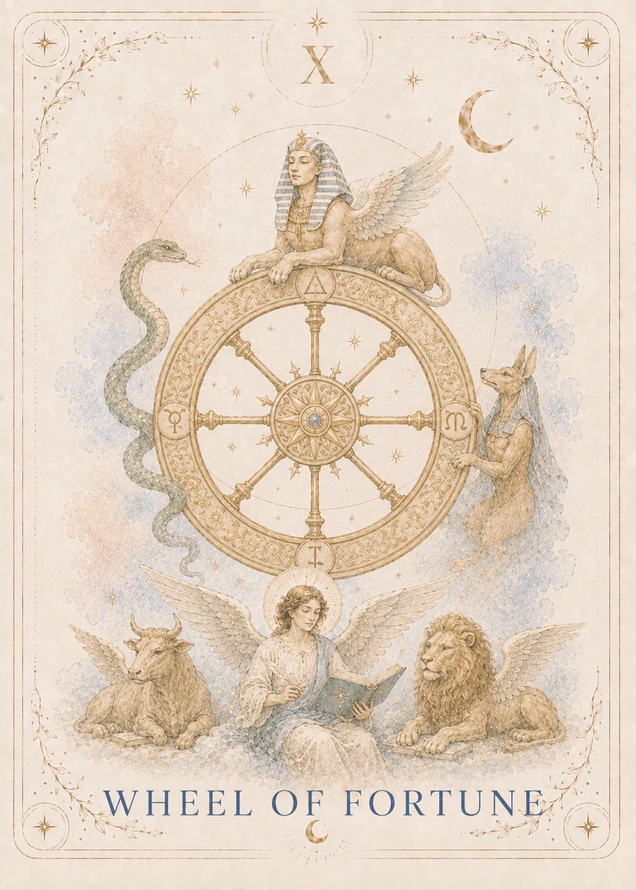
Tradition & Lunaire’s interpretation
The traditional foundation
Waite presents the Chariot through conquest and triumph, especially intellectual or outward achievement, while also describing the limits of that mastery. The two sphinxes belong to his symbolic design.
Lunaire’s reading
Lunaire develops purposeful determination and coordination from that theme of directed achievement. Self-command is its modern reflective emphasis, not a claim that Waite described complete inner mastery. The reversal selects effort divided, resisted or overcontrolled rather than forecasting defeat.
Read the source in The Pictorial Key to the Tarot ↗
Arthur Edward Waite. The Pictorial Key to the Tarot. W. Rider; [1911]. Illustrations by Pamela Colman Smith. Source edition details ↗